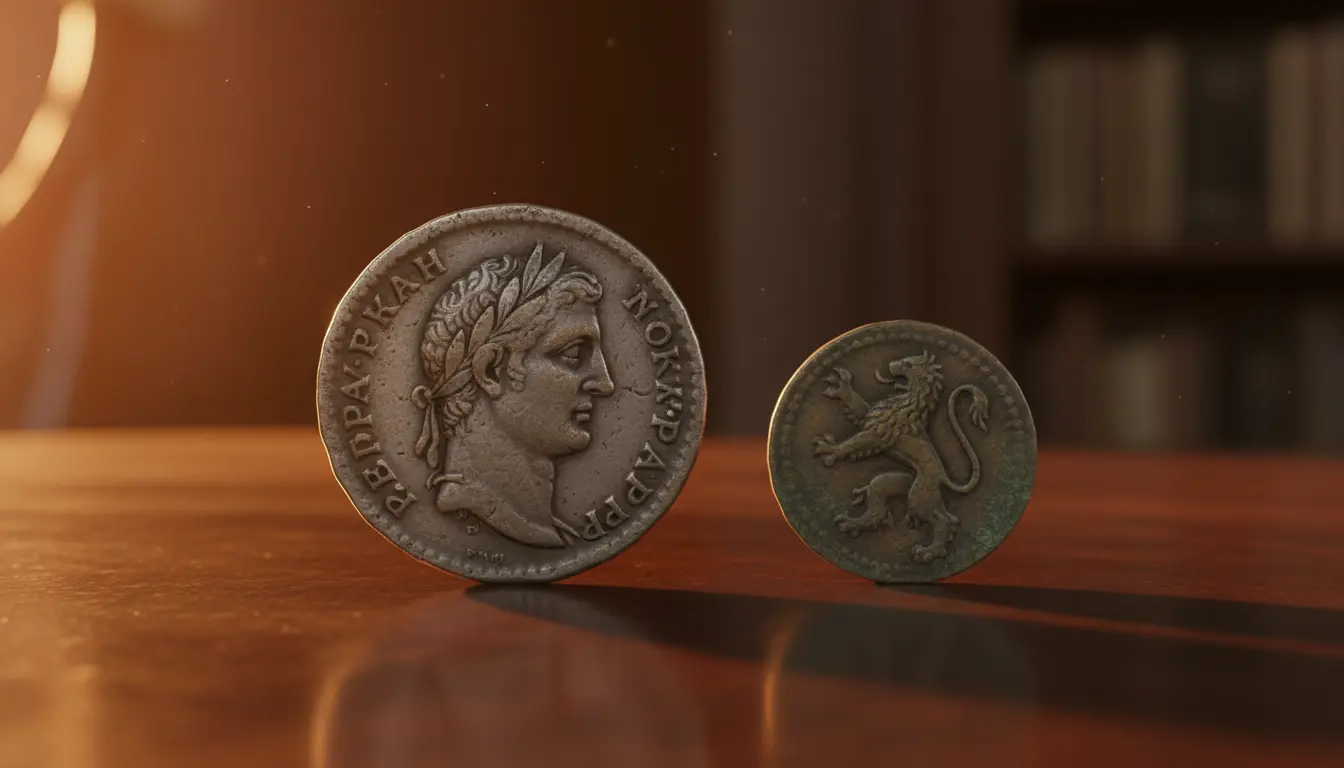
Overview: Two versions of a famous American design
The Sacagawea design is familiar to many collectors and the general public. One face is the common gold-colored dollar issued by the U.S. Mint. The other face often appears on silver rounds, proofs, and private issues that use the Sacagawea motif.
What is the Gold Sacagawea?
The Gold Sacagawea commonly refers to the U.S. Mint dollar first issued in 2000. It is not actually made of gold. The coin is a manganese-brass clad copper alloy that has a warm golden color.
Key facts about the Gold Sacagawea:
- Introduced in 2000 to replace the Susan B. Anthony dollar in circulation.
- Obverse features Sacagawea carrying her infant, designed by Glenna Goodacre.
- Often used in everyday transactions and available in circulation, rolls, and Mint sets.
What is the Silver Sacagawea?
“Silver Sacagawea” typically describes coins or rounds struck in silver that bear the Sacagawea image or theme. These can be privately minted rounds, commemorative issues, or collector pieces rather than the standard U.S. Mint dollar.
Common forms of Silver Sacagawea include:
- Privately produced .999 fine silver rounds with Sacagawea motifs.
- Special collector proof sets or medallions that use the Sacagawea portrait.
- Non-circulating tokens and art rounds that trade as bullion or collectibles rather than legal tender.
Key Differences: Metal, Status, and Value

Understanding the practical differences helps collectors and buyers make informed choices. The main distinctions are in metal content, legal tender status, and market value.
Metal and weight
Gold Sacagawea (U.S. Mint dollar) is a base-metal coin with a golden color but negligible intrinsic metal value beyond copper and brass content.
Silver Sacagawea pieces are usually struck in silver (.999 or .925), making them valuable for their bullion content. Weight and purity are primary drivers of value for silver pieces.
Legal tender and origin
The official Gold Sacagawea dollar is legal tender issued by the U.S. government. Most silver Sacagawea items are private or commemorative strikes and are not legal tender.
Always check provenance: U.S. Mint issues carry mint marks and official packaging. Private rounds will list the private mint and silver content.
Collectible and market value
Gold Sacagawea dollars are collectible for date, mintmark, and condition. Their base-metal composition means face value does not reflect melt value.
Silver Sacagawea pieces track silver market prices. Collectible premiums depend on rarity, finish (proof, reverse proof), and design fidelity.
How to Authenticate Silver and Gold Sacagawea Coins
Authentication protects buyers from counterfeits. Use a combination of visual checks and tests tailored to the coin type.
- Visual inspection: Compare design details to reliable references and look for consistent lettering and relief.
- Weight and dimensions: Verify against official specifications for known issues. Private rounds will list specifications; confirm with the seller.
- Magnet test: Most genuine silver and official Sacagawea base-metal coins are non-magnetic. A magnetic response can indicate a fake.
- Sound (ping) test: Silver rings distinctly compared to base metals. Use a known silver coin as reference.
- Professional grading: Use PCGS, NGC, or ANACS for high-value items or if you need market-ready certification.
Buying and Collecting Tips
Whether buying a Gold Sacagawea dollar or a Silver Sacagawea round, follow practical steps to protect your investment.
- Buy from reputable dealers and check return policies.
- Request documentation for provenance, especially for high-premium or certified pieces.
- Compare premiums: Silver pieces carry bullion premiums; weigh those against collector value.
- Understand storage needs: silver tarnishes and should be stored in low-humidity, acid-free holders.
Simple Example: A Small Real-World Case Study
Jane, a beginner collector, wanted to diversify a small coin portfolio. She bought a roll of uncirculated Gold Sacagawea dollars from a local dealer to learn grading and storage basics.
She also purchased a .999 silver Sacagawea round from a trusted online bullion dealer to gain exposure to silver prices. Jane kept both in simple, labeled flips and tracked market prices monthly.
Result: The gold-colored dollars gave her experience with numismatic grading while the silver round acted like a bullion holding. She learned to check weight, buy insurance for higher-value items, and prioritize certification for rarer pieces.
Summary: Which Side Fits You?
Choose a Gold Sacagawea dollar if you want a U.S. Mint legal-tender coin with numismatic appeal and historical interest. Choose Silver Sacagawea rounds or commemoratives if you want precious-metal exposure with Sacagawea imagery.
Both paths can be rewarding. The right choice depends on your goals: collecting history and varieties, or holding silver bullion with a familiar design.
Practical checklist before purchase
- Confirm authenticity and origin.
- Verify weight and dimensions.
- Compare dealer premiums and shipping/insurance costs.
- Decide on certification for high-value buys.
Following these steps will help you navigate the two sides of America’s dollar story with confidence.